Is there lactose in milk?
High — the main culprit.
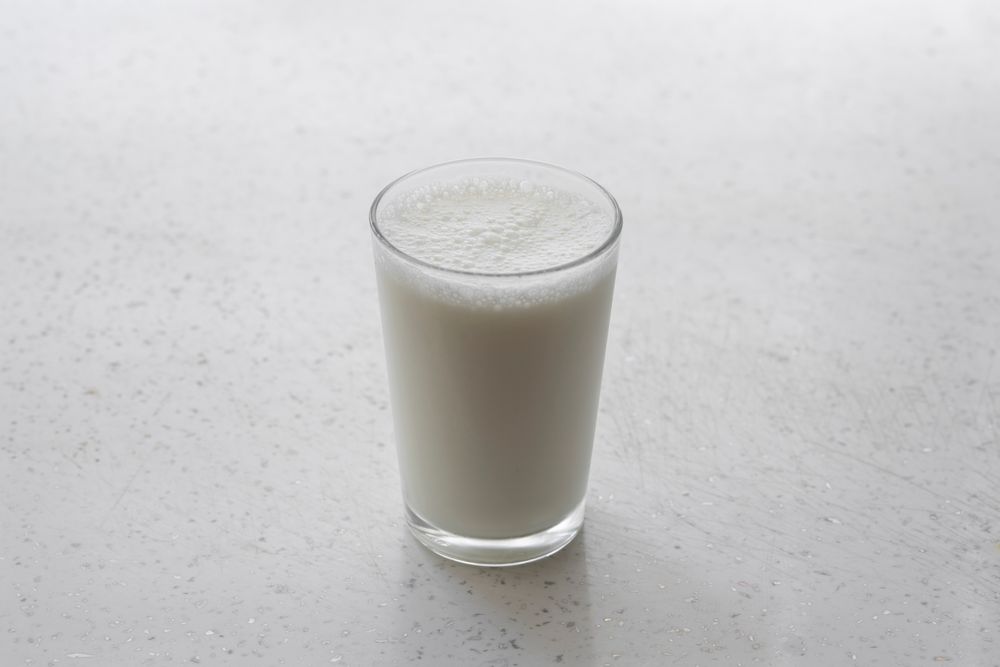
Milk is the highest common source of lactose in most people's diets — around 12g in a standard glass. It's the classic trigger, but lactose-free milk (real dairy, lactose removed) means you don't have to give up the taste.
Let’s be straight: milk is the big one. A standard glass carries roughly 12g of lactose, which is why it’s the food most likely to cause symptoms, and the one people react to first. All types of regular cow’s milk — full cream, light, skim — contain similar lactose.
Best-kept secret: it’s lactose-free milk. It’s real dairy milk with the lactase enzyme already added, so the lactose is broken down for you. It tastes almost identical (a touch sweeter) and pours, froths and cooks the same. For most people it’s a total game-changer.
How much lactose is in milk?
About 4.8 g per 100 mL — roughly 12 g in a 250 mL glass. That’s a large single dose, which is exactly why milk triggers bloating, cramps and worse in people who can’t break it down. Small splashes in tea are far more tolerable than a full glass.
| Food | Lactose per 100 mL | Per typical serve |
|---|---|---|
| Regular milk | 4.8 g | ~12 g (250 mL) |
| Lactose-free milk | <0.1 g | ~0.1 g (250 mL) |
| Oat / soy milk | 0 g | 0 g |
Figures: USDA FoodData Central. See the full lactose chart & sources.
When you can still enjoy it
Three easy routes: lactose-free dairy milk (same taste, lactose removed), plant milks (oat, soy, almond — naturally lactose-free), or a lactase tablet if you want the real thing.
If milk isn't handy, reach for…
Common questions
How much lactose is in a glass of milk?
Is lactose-free milk real milk?
Which milk is best for lactose intolerance?
Want the full picture? Grab our free Living Lactose-Free in Australia cheat sheet — it sorts 60+ foods like this one so you never have to guess at the supermarket again.