What actually helps
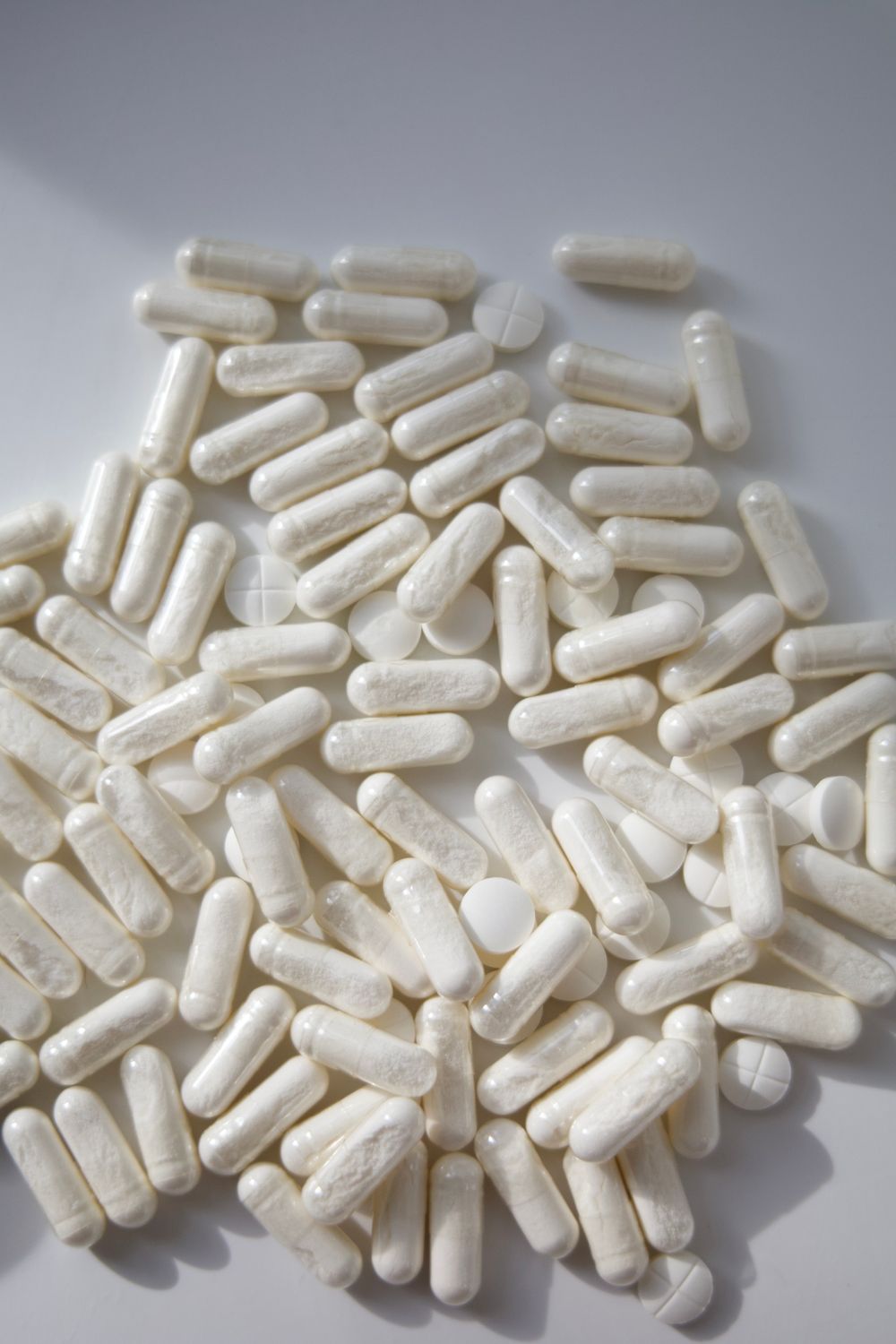
There are really three things that help you live well with lactose intolerance: lactase tablets for when you want the real dairy, lactose-free swaps for everyday, and simply knowing your own limit. Here's how each one works — honestly, and with the evidence.
Lactase tablets — the enzyme you're short on
Lactose intolerance means your gut doesn't make enough lactase, the enzyme that breaks down the sugar in dairy. Lactase tablets top that up: taken with a dairy meal, they break the lactose down before it can ferment and cause bloating, wind and cramps. They let a lot of people enjoy the real thing — a flat white, a cheese board, ice cream — with far less fallout.
Do they actually work?
For many people, yes — but honestly, they reduce symptoms rather than switch them off, and response varies a lot from person to person. The good individual trials are positive; the highest-tier pooled evidence is thinner. We lay it all out, without the hype, in do lactase tablets actually work?
How to take them
Two things decide whether they help: taking one shortly before or with your first mouthful of dairy (not after symptoms start), and using enough enzyme for the size of the meal. Full detail — timing, dose, chewable vs capsule — is in how to take lactase tablets.
What to look for when you buy
- Enzyme dose, measured in FCC lactase units — the studies that showed a benefit used fairly high doses, so a bigger meal wants a stronger tablet.
- Format that suits you — chewables act fast and need no water; capsules are just as effective. See chewable vs capsule for how to choose; the best one is the one you'll actually have on you at dinner.
- Honest expectations — a management aid, not a cure. They do nothing for a milk-protein allergy, which is a different condition.
Beyond tablets
- Lactose-free dairy — real milk, cream and ice cream with the lactose already broken down. Same taste, none of the trouble, on most supermarket shelves.
- Naturally low-lactose foods — butter, hard cheeses and many others are near-zero to begin with. Our lactose content chart shows which foods are safe bets and which to watch.
- Knowing your threshold — most people with lactose intolerance handle around 12–15 g of lactose a day (about a glass of milk), especially spread out and eaten with other food. Finding your own limit is half the battle.
Want it all in one place? Grab our free Living Lactose-Free in Australia cheat sheet — 60+ foods sorted, with the Aussie swaps we'd reach for.
Get the free cheat sheet
60+ foods sorted, Aussie swaps, honest & independent.