Is there lactose in cheddar?
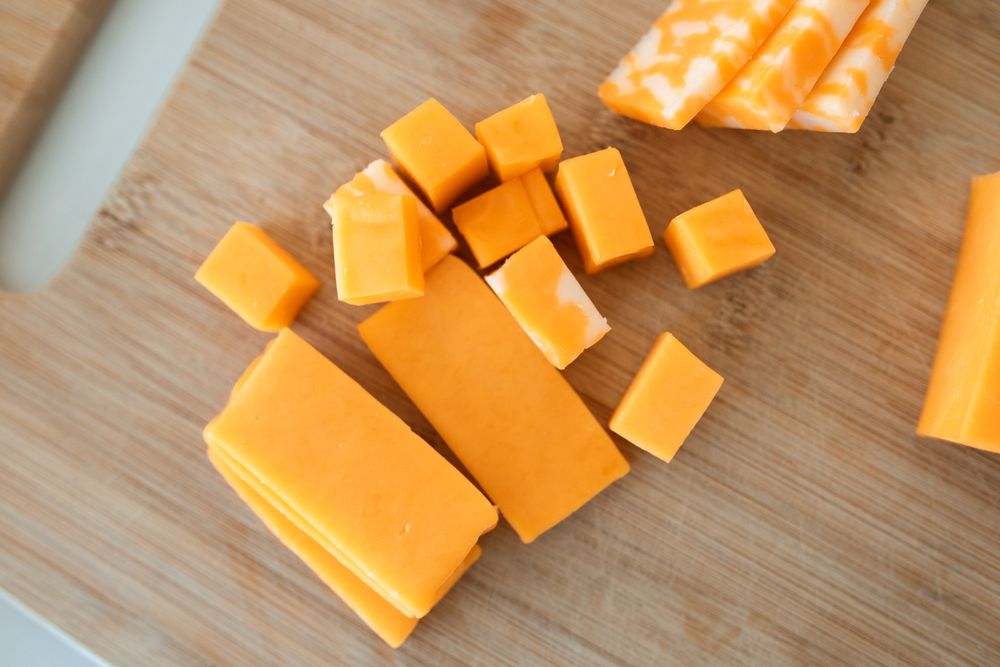
Low — especially aged.
Cheddar is naturally low in lactose, and aged cheddar has even less. During maturing, bacteria break down most of the lactose, so a good sharp cheddar is one of the friendliest cheeses for lactose intolerance.
Cheese lovers, breathe out. Hard, aged cheeses like cheddar are among the lowest-lactose dairy foods there are. That’s the opposite of what many people assume when they’re first diagnosed.
The reason is in how cheese is made. When milk is turned into cheese, most of the lactose drains away with the whey. Then, as the cheese ages, bacteria consume much of what little remains, so a mature cheddar can end up with almost negligible lactose.
Rule of thumb: the sharper and more aged the cheddar, the less lactose it tends to have. If you’re sensitive, reach for a good vintage over a mild, young block.
How much lactose is in cheddar?
Aged cheddar contains almost no lactose: under 0.1 g per 100 g on modern analysis, essentially nil in a 30 g slice. (Some older charts list cheddar higher, around 1–2 g a serve, but today’s lab methods put well-aged hard cheese far lower.)
| Food | Lactose per 100 g | Per typical serve |
|---|---|---|
| Aged cheddar | <0.1 g | ~0 g (30 g slice) |
| Cottage cheese | 1.8–3 g | ~2–3 g (100 g) |
| Regular milk | 4.8 g | ~12 g (250 mL) |
Figures: Portnoi & MacDonald 2015. See the full lactose chart & sources.
When to take a little care
Processed cheese slices and cheese spreads are a different story — they often have added milk solids that bump the lactose back up. Stick to real block cheddar, and check labels on anything “processed.”
If cheddar isn't handy, reach for…
Common questions
Is cheddar cheese OK for lactose intolerance?
Does aged cheese have less lactose?
What about processed cheese slices?
Want the full picture? Grab our free Living Lactose-Free in Australia cheat sheet — it sorts 60+ foods like this one so you never have to guess at the supermarket again.