Is there lactose in milk chocolate?
Moderate to high — take care.
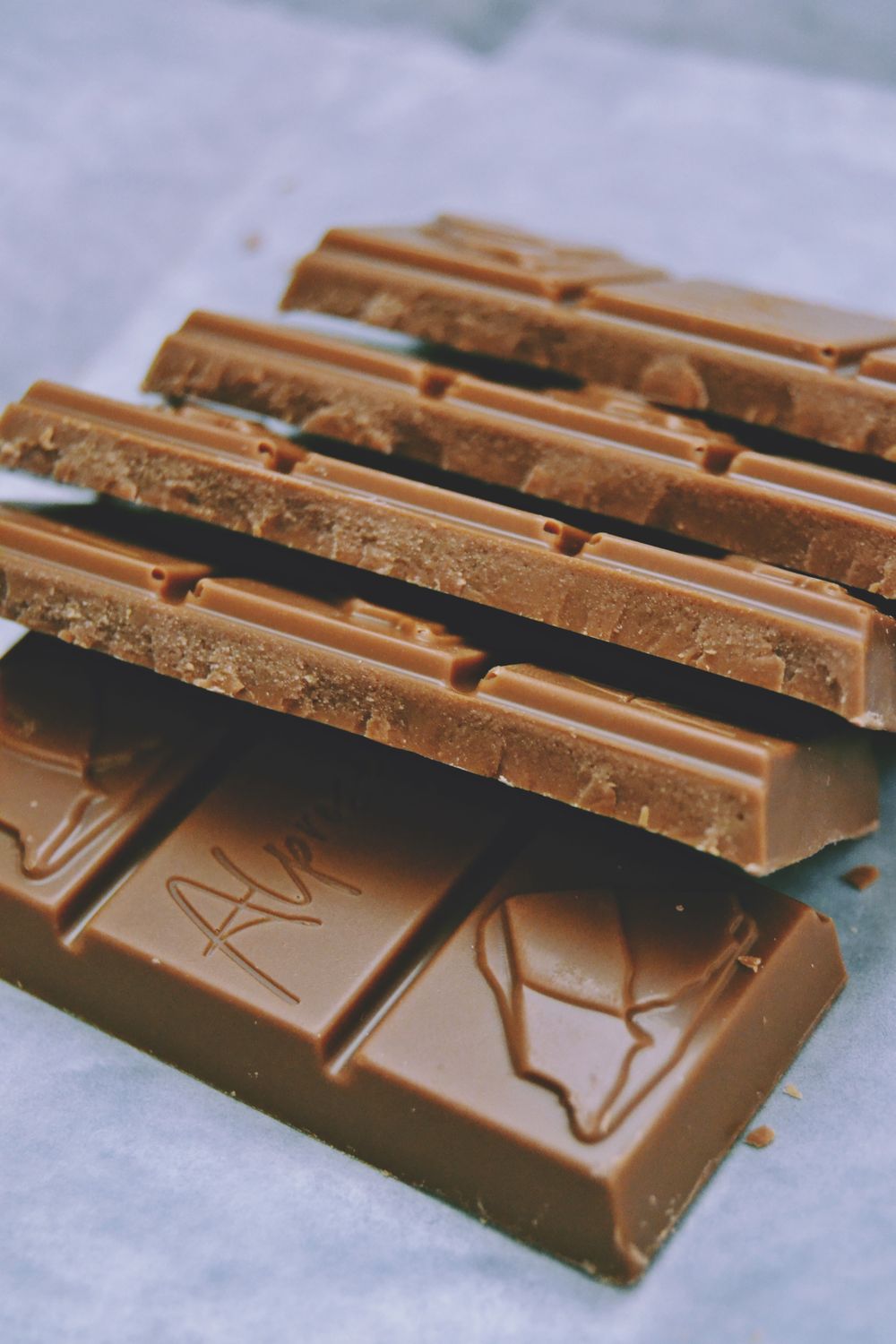
Milk chocolate contains lactose — it's made with added milk solids, which bring the milk sugar with them. How much depends on the bar, but dark chocolate is a naturally lower-lactose alternative.
The clue is in the name. Milk chocolate has milk solids added for that creamy taste, and those solids carry lactose. It’s not usually as high as a glass of milk, but for sensitive people a decent block can be enough to notice.
The easy swap: if you love chocolate but not the aftermath, dark chocolate (70% and up) is your friend — it has little to no added milk solids, so it’s naturally much lower in lactose.
How much lactose is in milk chocolate?
Milk chocolate carries around 5–9 g of lactose per 100 g — roughly 2–3.6 g in a 40 g row from the added milk solids. A couple of squares is often fine; a whole block is where people get caught. White chocolate is similar or higher, since it’s built around milk solids, while dark chocolate (70%+) has little to none.
| Food | Lactose per 100 g | Per typical serve |
|---|---|---|
| Milk chocolate | 5–9 g | ~2–3.6 g (40 g row) |
| White chocolate | 2–8 g | ~1–3 g (40 g) |
| Dark chocolate (70%+) | 0–1.5 g | ~0–0.6 g (40 g) |
Figures compiled from food-composition databases (chocolate varies by brand) — full lactose chart & sources.
When to take a little care
Portion is everything here. If you’re very sensitive, go dark or reach for a lactase tablet.
If milk chocolate isn't handy, reach for…
Common questions
Can lactose-intolerant people eat chocolate?
Is dark chocolate lactose-free?
Why does chocolate upset my stomach?
Want the full picture? Grab our free Living Lactose-Free in Australia cheat sheet — it sorts 60+ foods like this one so you never have to guess at the supermarket again.